Technology is a big part of how businesses work today. From storing data to solving technical problems, IT services are critical. However managing an in-house IT team is expensive and can take up a lot of time. This is where outsourced IT becomes a smart choice. Many businesses are now using outsourced IT support to save money, improve efficiency, and get professional help.
In this blog, we’ll explain everything you need to know about outsourcing IT services. You’ll learn what it means, the benefits, the costs, and how to pick the right partner. By the end, you’ll understand how outsourced IT services can make a big difference for your business.
What Are Outsourced IT Services And Why Businesses Prefer Them?
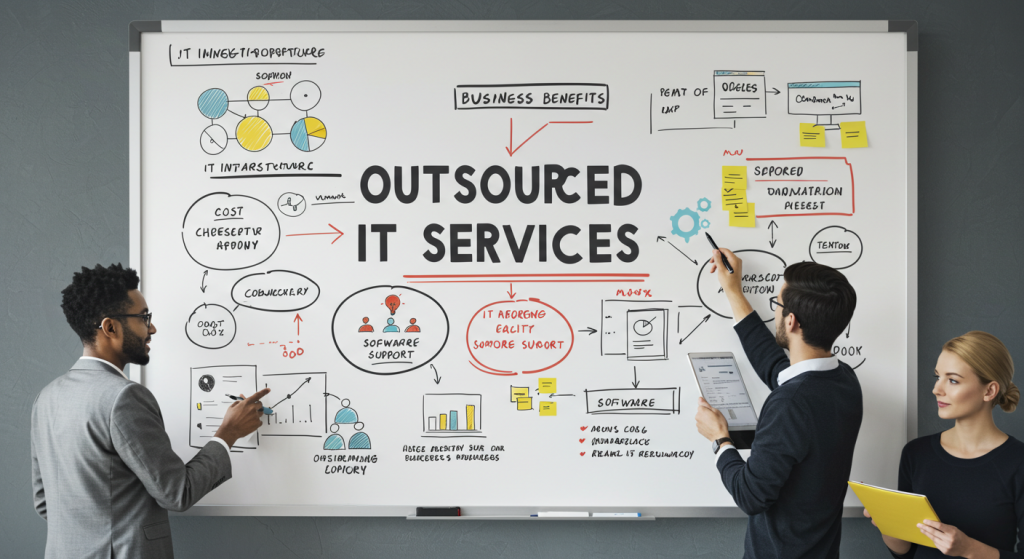
Outsourced IT services mean hiring a company outside of your business to handle all your IT needs. These companies specialize in IT and provide expert help at a fraction of the cost of hiring full-time employees. Instead of managing your own team, you pay for services like fixing computers, managing data, and securing your network. They can also watch over systems to keep them running smoothly.
Businesses use outsourced IT support services for many reasons. Some want to save money. Others don’t have the time or resources to hire and train their own IT team. Outsourcing allows companies to focus on their main goals. IT tasks are handled by experts, which means fewer distractions and quicker fixes. It also gives businesses access to the newest technology without the stress of managing it themselves.
Types of IT Support Services That Can Be Outsourced
There are many IT services for businesses that can be handled by outsourcing. Each type of service helps companies save time, reduce costs, and stay productive. Here’s a detailed explanation of the different services you can outsource:
1. Help Desk Support

Employees with computer, software, or printer issues need help quickly. This is where help desk support comes in. Outsourced IT teams provide fast phone, email, or live chat assistance. They help fix problems like slow computers, software errors, or login troubles. Employees can get back to work quickly when IT issues are fixed fast.
Remote IT support gives businesses access to skilled experts who handle everyday tech problems. This keeps employees happy and focused. From fixing a forgotten password to repairing a broken printer, the help desk quickly solves issues to keep things running smoothly.
2. Network Management

Every business needs a stable network to operate smoothly. Managing a network is complicated. It involves setting up routers, managing connections, and keeping everything secure. Outsourced IT support takes care of all network management issues. They watch the network 24/7 to detect problems like slow speeds or downtime. If something goes wrong, they fix it fast to keep your business running without interruptions.
These teams also handle network upgrades. They make sure your business has the tools and systems it needs. As your company grows, it can expand the network to handle more devices and data. This helps your systems keep up with the demand.
3. Cybersecurity
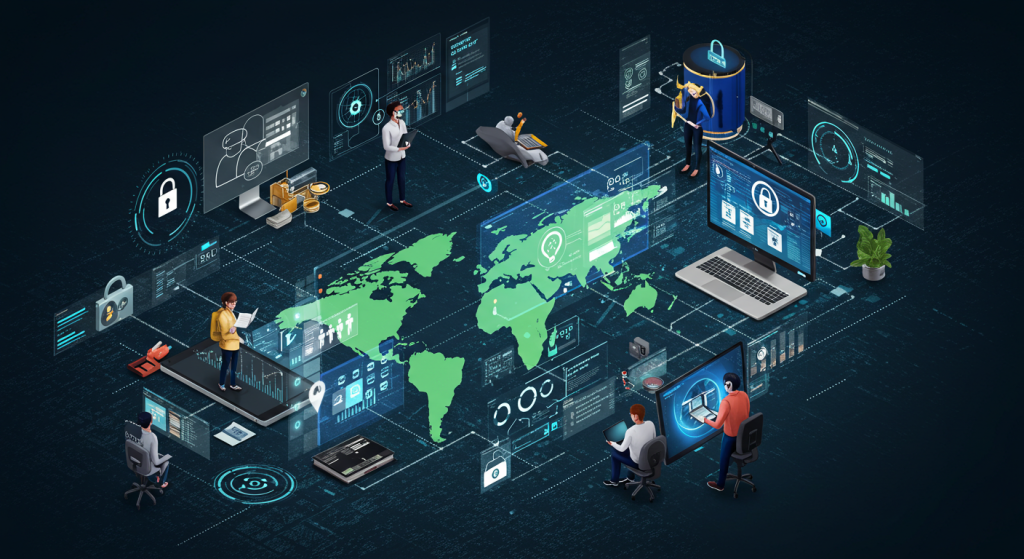
Cyber threats are becoming more common and dangerous. Hackers try to steal data, disrupt systems, or demand ransoms. All businesses need strong protection from cyber threats. Outsourced IT providers focus on cybersecurity. They use tools like firewalls, antivirus software, and real-time monitoring to keep your data safe.
If they spot a threat, they act fast. They stop the attack and repair any damage. They also teach employees safe habits, like avoiding phishing emails and creating strong passwords. Businesses with an IT business that they contract to handle security don’t have to worry about cyberattacks.
4. Cloud Services
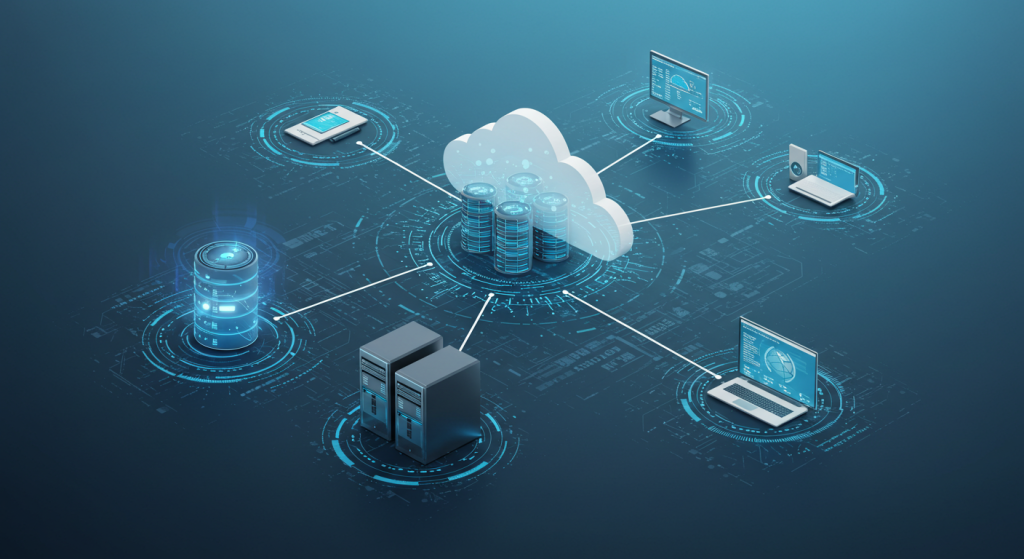
Many companies now store their data on the cloud instead of physical servers. The cloud allows employees to access files and applications from anywhere with an internet connection. However, managing cloud systems requires expertise. Outsourced IT providers handle cloud services for businesses. They set up cloud solutions that fit your company’s needs. For example, they can create a real-time system where employees can collaborate on shared documents.
They also ensure cloud data is backed up regularly. The data can be quickly restored if something goes wrong, like accidental file deletion or system failure.
5. System Maintenance
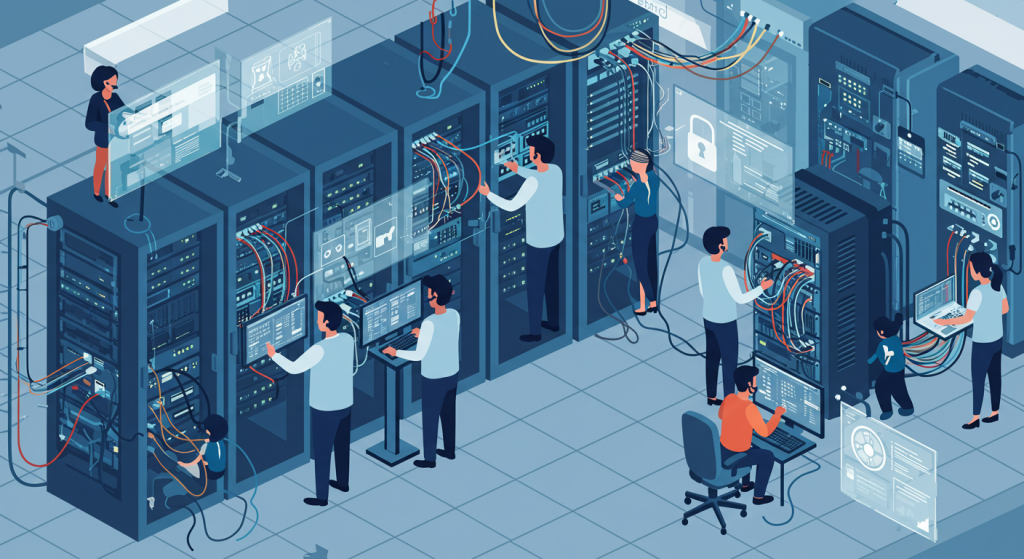
Technology needs regular care to work properly. Over time, software gets old, and systems slow down. Without maintenance, small issues can turn into big problems. System maintenance includes updating software, adding security patches, and clearing unnecessary files. Outsourced IT teams take care of this for you. They check systems often to find and fix problems early.
For example, if a server is low on storage, they solve it before it slows things down. By keeping systems working well, they help prevent expensive downtime.
6. IT Consulting

Sometimes, businesses need expert advice to make the right technology decisions. For example, should you invest in a new software platform? Or is it time to upgrade your hardware? These choices can affect how your business grows and runs. Outsourced IT consultants offer advice to help. They look at your needs and suggest the best solutions. They help you pick tools that match your budget and goals.
For example, they might recommend switching to a cloud system to save money and work better as a team. They also keep up with new technology so your business stays competitive.
Benefits of Outsourced IT Services

Using outsourced IT services has many advantages for businesses. It saves businesses money, time, and effort. Let’s examine these advantages in more detail:
1. Cost Savings
Hiring an in-house IT team can be very expensive. You need to pay salaries, benefits, and training costs. On top of that, you must buy tools and equipment for them to do their job. With outsourced IT services, businesses pay only for what they use. Because of this, it is an affordable option, particularly for small and medium-sized businesses. Instead of handling all IT expenses, you only pay for the specific support you need.
For example, if your company doesn’t need 24/7 support, you won’t be charged for it. This flexibility helps firms to manage their finances better.
2. Expertise on Demand
Outsourcing IT gives your business access to skilled experts. They can handle many IT tasks, like managing networks and fixing security problems. Another benefit is that these experts stay current with the latest technology trends. They work with advanced tools and know the best solutions for various problems. This level of expertise is hard to find in a small in-house team.
With IT outsourcing, your business gets the knowledge and skills it needs without the hassle of hiring and training.
3. 24/7 Support
Technology issues don’t wait for regular business hours. A server can crash, or a cybersecurity threat can occur at any time. Most outsourced IT support services provide 24/7 monitoring and support. This means someone is always available to fix problems quickly. Whether it’s the middle of the night or a weekend, your business gets the help it needs.
Round-the-clock support ensures that downtime is reduced and your systems always stay operational. This is especially important for companies with international clients in different time zones.
4. Focus on Core Business
Handling IT tasks takes time and can be a distraction. This can take attention away from important goals for businesses without an IT team. Outsourcing IT lets experts manage the technical work. This gives employees more time to focus on their main jobs, like sales, customer service, or creating new products.
When IT is managed efficiently by professionals, businesses can operate more smoothly and focus on growing their operations.
5. Scalability
As businesses grow, their IT needs change. For example, a company with ten employees might need a small network. But when that company grows to 100 employees, it will need more advanced systems and support.
Outsourced IT support can scale up or down to meet your business’s changing needs. This flexibility makes it easier to adjust without overspending.
If you need additional services during a busy season or new tools to handle growth, an outsourced IT provider can deliver them. When things slow down, you can scale back services to save money.
6. Improved Security
Cybersecurity is one of the biggest concerns for businesses today. Hackers and data breaches can cause major financial and reputational damage. Outsourced IT teams focus on cybersecurity. They use tools to monitor systems, find threats, and stop attacks. They set up firewalls, protect data with encryption, and check security regularly.
They also train employees to avoid phishing scams and create strong passwords. With their help, your business will have stronger protection against cyber risks.
7. Access to Latest Technology
Technology is always changing. New tools, software, and systems are introduced all the time. Keeping up with these changes can be challenging for businesses. Outsourced IT providers have access to cutting-edge technology. They use the latest tools to improve efficiency and productivity for your business. Whether implementing a new cloud system or upgrading your cybersecurity, these providers ensure your company stays ahead of the competition.
Using the latest technology gives your business a competitive edge. It helps you serve customers better and operate more efficiently.
8. Reduced Downtime
Downtime can cost businesses a lot of money. Every minute that systems are down means lost productivity and revenue. Outsourced IT services help minimize downtime. They use proactive maintenance to identify and fix issues before they cause problems. For example, if a server shows signs of slowing down, they can address it before it crashes. In case of unexpected problems, outsourced teams act quickly to resolve them. This ensures that your business gets back on track as soon as possible.
Cost Analysis of Outsourced IT Services
The cost of outsourced IT services varies based on your business size and needs. Some businesses need basic support, while others need more advanced solutions. Let’s look at the pricing models and average costs.
Pricing Models for Outsourced IT Services
Most outsourced IT providers offer flexible pricing options. This helps businesses pick a plan that fits their needs and budget. Here are the most common types:
1. Flat Monthly Fees
Many IT providers charge a fixed monthly fee. This model is simple and predictable. Businesses know exactly what they will pay each month. This plan typically covers a set range of services. Common examples include help desk support, network management, and cybersecurity monitoring.
For example, a small business might pay $2,000 per month for basic IT services. Larger companies with more complex needs might pay $8,000 or more. Flat fees are ideal for businesses that want ongoing support without worrying about fluctuating costs.
2. Pay-As-You-Go
With this model, businesses only pay for the services they use. This can be a cost-effective choice if you don’t need constant IT help. For example, if a business only needs occasional troubleshooting or support during a busy season, it can pay for those specific services. The cost varies depending on how often you use the services. This model is a good fit for startups or small businesses with simple IT needs. It helps them stay flexible and avoid extra costs.
3. Project-Based Pricing
Some businesses need IT support for specific projects. These include setting up new systems, moving data to the cloud, or upgrading hardware. In these cases, outsourced IT providers charge a one-time fee based on the project’s complexity. For example, upgrading your company’s entire IT infrastructure might cost $15,000. Smaller projects, like installing a new server, could cost $3,000–$5,000. This pricing model is great for businesses that need short-term IT support or want to complete a specific task without committing to ongoing services.
4. Hourly Rates
For small tasks or troubleshooting, some IT providers charge by the hour. This is a good option if you only need occasional help. Hourly rates typically range from $100 to $300 per hour, depending on the provider’s expertise and location. For example, fixing a minor network issue might take two hours and cost around $400. While hourly rates can be convenient for small businesses, they can add up quickly if you face frequent IT problems. It’s important to evaluate whether an hourly model fits your budget and needs.
Average Costs of Outsourced IT Services
The overall cost of outsourcing IT varies based on the size of your business and the level of support you require. Here’s a general idea of what companies spend:
- Small Businesses: Typically spend $1,000–$3,000 monthly on IT outsourcing. This usually includes basic support like help desk services and network management.
- Mid-Sized Businesses: Spend around $3,000–$10,000 per month. They often require additional services like cybersecurity and cloud management.
- Large Companies: Spend $10,000 or more each month. Larger businesses need advanced solutions, such as full-time IT monitoring, disaster recovery, and customized IT strategies.
Factors Affecting the Cost of Outsourced IT Services
The cost of outsourced IT services is not the same for every business. It depends on several factors, such as the size of the company, the type of services needed, and even the provider’s location. Let’s explore these factors in detail to help you understand what influences IT outsourcing costs.
1. Business Size
The size of your business plays a major role in determining IT outsourcing costs. Larger companies typically require more complex IT solutions, which increases expenses.
For Example
- A small business with 10 employees may only need basic support, such as fixing devices and managing software.
- A large company with 500 employees will need advanced services like network monitoring, cybersecurity, and system maintenance for multiple locations.
Larger businesses often generate more data, have more devices to manage, and need stronger security systems. All these factors add to the overall cost.
2. Service Scope
The scope of services you need is another key factor. The more services you require, the higher your bill will be.
For Instance
- Basic services like help desk support or software troubleshooting are usually affordable.
- Advanced services, such as cybersecurity, cloud management, or disaster recovery planning, can significantly raise costs.
Each service requires different tools and levels of expertise. For example, adding cybersecurity services involves setting up firewalls, monitoring threats, and training employees on safe practices. Cloud management includes storage setup, backups, and ensuring data security. These additional services add to the price, but they provide critical value for businesses with complex needs.
3. Provider Expertise
The skill level and experience of the IT provider affect the cost as well. High-quality providers with advanced expertise often charge more, but their services are worth the investment.
For Example
- A provider with basic IT knowledge may charge less, but they might struggle to handle large-scale or complex issues.
- Experienced providers with certifications and specialized training offer better solutions, faster problem resolution, and advanced tools.
While these providers may have higher rates, they deliver reliable support that can save your business money in the long run. Paying for skilled experts often leads to fewer mistakes, quicker fixes, and stronger system security.
4. Location
Where your IT provider is located can also affect costs.
For Example
- Providers in cities like New York or San Francisco often charge higher rates because of higher operating expenses.
- Providers in smaller cities or areas with lower living costs may offer more affordable prices.
However, choosing based only on cost isn’t always a good idea. It’s important to balance affordability with the quality of service and expertise.
5. Customization
If your business requires tailored IT solutions, the costs will likely be higher. Customization means building tools or systems designed to match your business needs.
For Example
- A retail store might need a custom point-of-sale (POS) system that works with inventory tracking.
- A healthcare business may need IT solutions to meet strict data privacy rules, like HIPAA compliance.
Tailored solutions often involve more planning, development, and testing, which increases the cost. However, they also ensure that your IT systems align perfectly with your business goals and processes.
Outsourced IT Support – Cost vs Benefit Analysis
When comparing the cost and benefits of outsourced IT support, the advantages often outweigh the expenses.
- Reduced In-House Costs: Building an internal IT team requires salaries, benefits, training, and equipment. Outsourcing eliminates these costs.
- Better Efficiency: Experts solve issues fast, cutting downtime and keeping employees productive.
- Strong Security: Outsourced IT services use advanced tools to guard your business against data breaches, saving you from expensive risks.
- Flexible Solutions: You pay only for the services you need, making outsourcing affordable and easy to adjust as your business grows.
A report by Deloitte shows that 59% of businesses choose IT outsourcing to save money. At the same time, 57% do it to focus on core functions. These stats show that outsourcing delivers both financial and operational benefits.
Why GCS Is the Right Outsourced IT Partner for Your Business?
Finding the right IT partner is essential. GCS is a trusted provider of IT support and services for businesses of all sizes.
What Makes GCS Stand Out?
- Custom Solutions: We design services to fit your business needs.
- Skilled Team: Our experts have years of experience in IT.
- 24/7 Support: We monitor your systems around the clock to keep them running smoothly.
- Affordable Prices: Our pricing is clear and budget-friendly.
- Proven Success: We have helped many businesses save money and improve operations.
When you choose GCS, you’re getting more than just outsourced IT services. You’re partnering with a team that cares about your success.
Conclusion
Outsourced IT services can help you save money and grow your business. They handle all your IT needs, like cybersecurity and help desk support. Outsourcing is affordable, flexible, and gives you access to skilled professionals. The cost depends on the size of your business and the services you need. However, the benefits usually outweigh the expenses.
By working with a reliable provider like GCS, you can concentrate on growing your business while we care for your IT needs. Ready to make the switch? Contact GCS today and see how we can help your business thrive with top-quality outsourced IT support services!



 Managed IT Services
  IT Consulting
  Cloud Solutions
  Managed Cybersecurity